Who Are You Actually Performing For? Breaking Free from the Imaginary Gatekeeper
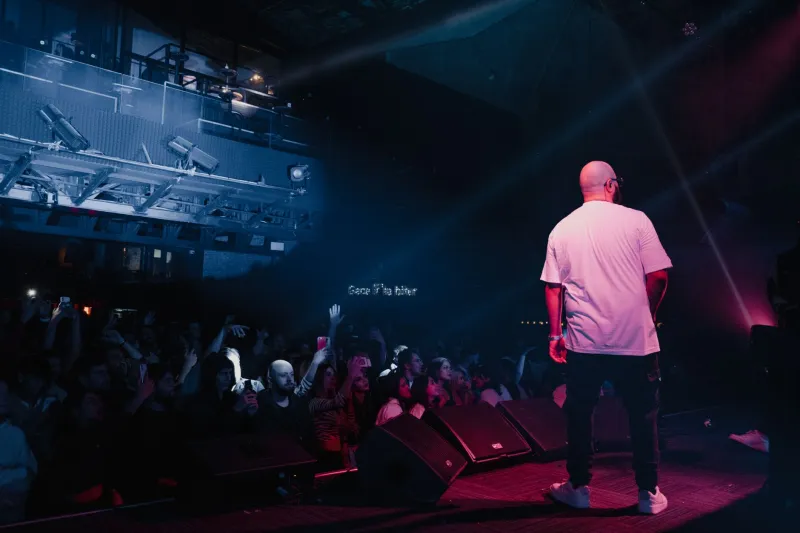
There's a moment that happens at almost every open mic in America. A comic or a singer or a poet gets off stage, finds the nearest person who looks like they matter, and asks some version of the same question: "Was that okay?"
Not "Did that land?" Not "Did you feel something?" Okay. As in, acceptable. Passable. Non-offensive to the right people.
Here's the uncomfortable truth: most of the time, the person they're really asking isn't standing in the room at all.
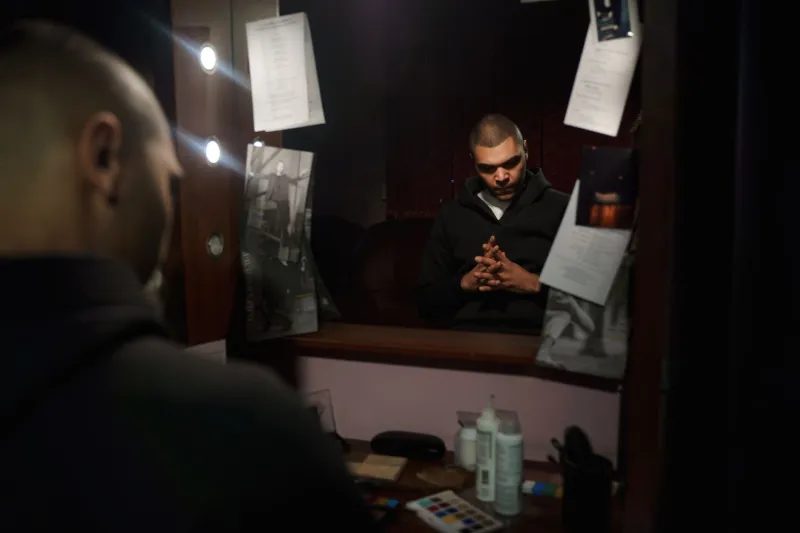
The Ghost in Your Green Room
Every performer I know carries around an imaginary panel of judges. It's the talent buyer in Nashville who passed on you two years ago. The podcast host who never responded to your pitch. The A&R person you're convinced is watching your Instagram Stories and taking notes (they're not — I promise you, they are not).
This audience of one — or two, or five — quietly runs your career from behind the curtain. You trim the weird song from your set because "industry people want range." You sand the edge off your stage banter because it might read as "too much." You write a bio that sounds like a LinkedIn post had a baby with a press release, because somewhere you absorbed the idea that safety books gigs.
Except it doesn't. Safety is the actual reason most performers stay stuck. The gatekeeper in your head is a terrible booking agent — they never pay you, never promote you, and never laugh at your best material.
Run the Inversion Test
So how do you figure out whose approval you're actually chasing? Try this exercise, and be honest with yourself, because lying to yourself is the whole problem.
Take your current set, bio, or social feed and ask three questions:
One: Would I do this if nobody in the industry ever saw it? If the answer is no, you've found a phantom influence. Real audiences don't care about your genre versatility. They care whether you're worth watching for forty-five minutes.
Two: Can I name a single real person who asked for this change? "The market wants it" is not a person. "A booker told me in 2022" might be — but note that they told you once, probably casually, and you've been living by it like scripture ever since.
Three: Does this choice make the room feel something, or does it just make me feel safe? Safety reads as beige from the back row. Nobody remembers beige.
Write down every answer that stings. That list? That's the ghost's fingerprints all over your career.
The Real Audience Pays the Tab
Here's the part nobody says out loud at industry mixers: bookers don't book potential. They book proof. And proof is a room full of actual humans losing their minds because you said the thing nobody else would say.
Think about the performers who break out in this country. They're almost never the most polished ones. They're the ones who sound like they came from somewhere specific, who made a choice so distinct that describing them to a friend takes more than one sentence. That distinctness isn't an accident. It's what's left after you stop editing for a committee of ghosts.
The paradox of this business is brutal but simple: the fastest way to get booked by gatekeepers is to stop performing for them. Venues want draw. Draw comes from fans. Fans come from feeling like they found something real — not something focus-grouped for a showcase in a hotel ballroom.
Rebuild Around the People in the Room
Once you've identified the phantom, you don't banish it with a mantra. You replace it with something concrete. Three moves:
Audit for the ghost. Go through your material and flag anything that exists purely to impress an imaginary insider. You don't have to cut it all — just know which choices are yours and which ones belong to a booker who forgot your name.
Find your ten real ones. After your next gig, identify the ten people who genuinely reacted. What did they respond to? That's market research no talent buyer can give you, and it's free.
Make one bold choice per set. One risky bit, one song that breaks your format, one story you've been scared to tell. Gauge the room, not the hypothetical panel. Real feedback beats imagined criticism every single time.
The gatekeeper in your head has been running your career long enough. The people actually buying tickets — the ones laughing, crying, filming you on their phones in a dive bar in Ohio — they never asked you to be smaller. So stop auditioning for an empty chair. Turn around and play to the room that showed up.