Stop Waiting to Be Found: The Year-Long Plan for Taking Over Your City
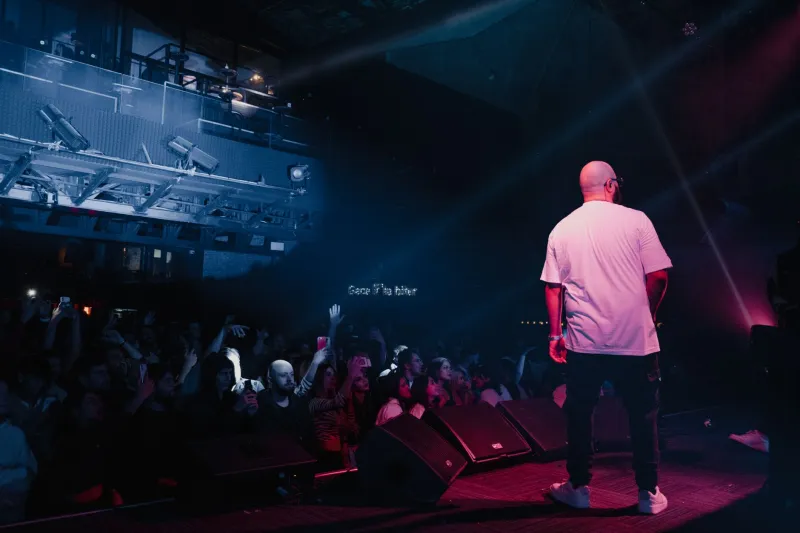
There's a myth that floats around every open mic in America: that somebody important is going to be in the crowd one night, and everything changes. Here's the reality — the industry doesn't discover you. It responds to you, once you've made yourself impossible to ignore. And you make yourself impossible to ignore by building demand right where you're standing.
This is a twelve-month plan. Not a guarantee, not a hack — a sequence. It assumes you're starting with some material, some nerve, and zero momentum. Adjust the pace to your life, but keep the order. The order matters.
Months 1–3: Get Good in Public, Get Known in Private
Your first job is reps. Hit every open mic, every showcase night, every five-slot Tuesday bill within a two-hour radius. Not to get discovered — to get comfortable and familiar. Bookers, bartenders, and fellow performers should start recognizing your face before they know your name.
While you're doing that, do two things religiously:
-
Trade genuine support. Stay for the whole show. Learn other performers' names and material. When someone in your scene does well, tell people. Scenes run on reciprocity, and the artists who build real careers are almost always the ones other artists want to share a stage with.
-
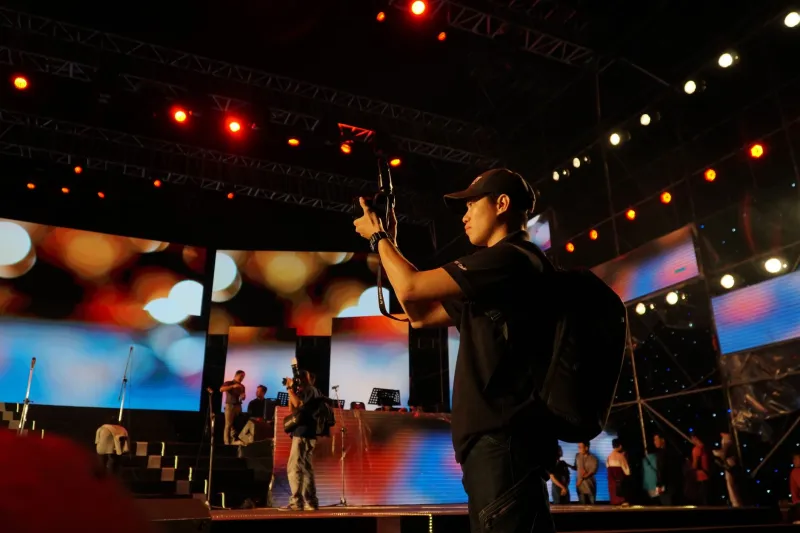
Film everything. Every set, every night, on your phone. Ninety percent of it will be unusable. That's fine — you're building the muscle of capturing your work and developing an eye for what actually lands. By month three, you should have three to five clips that genuinely represent you at your best.
Months 4–6: Turn Footage Into a Presence
Now you start publishing with intention. Not a flood — a rhythm. One strong clip a week on Instagram and TikTok, cut tight, captioned like a human wrote it. Your best thirty seconds is worth more than a full unedited set sitting in your camera roll.
Simultaneously, start consolidating your local bookings. Move from open mics to featured slots at showcases. When a fellow performer asks you to open their show, say yes — but this is also the season to start declining gigs that don't build anything. Every yes is a no to something better. Choose accordingly.
By the end of month six, you should be able to say this sentence: "People I've never met are coming to my shows because of what they've seen online." That's the inflection point. Everything after this compounds.
Months 7–9: Manufacture Your Own Stage
Here's where you stop renting someone else's room and start owning the night. Self-producing a show sounds intimidating; it's mostly logistics and nerve. You need:
- A venue that fits your current draw (think 50–100 cap — the sold-out 60-seat room beats the half-empty 200-seater every single time)
- Two or three fellow performers from your scene on the bill — this is where months one through six of relationship-building pay off
- A date, a ticket link, and a push campaign across your socials starting four weeks out
The math is simple: if you can get 50 people to buy a $10–15 ticket because you asked them to, you've proven something no booker can ignore. Take the footage. Count the door. Screenshot the sold-out link. That's leverage you didn't have last year.
Months 10–12: Expand the Radius
With one self-produced show under your belt and a content library working for you around the clock, it's time to widen the map. Book shows in the next city over. Then the one after that. Bring your footage into every booking email — not as a résumé, but as proof: this is what happens when I get a room.
Pitch yourself to regional festivals and support slots with a specific ask, backed by specific numbers. And plan your second self-produced show — bigger venue, same formula. Momentum loves a pattern.
The Principle Underneath the Plan
Notice what this roadmap never asks you to do: wait. No sending demos into the void. No hoping a scout materializes at the back of a Tuesday open mic. Every month, you're doing something concrete that makes your next move easier.
The performers who "come out of nowhere" almost never did. They spent a year being undeniable in rooms too small for anyone to notice. Then the noticing caught up. Build the demand where you are, and discovery stops being luck — it becomes an inevitability with a date on it.