Sixty Seconds to Decide: Engineering the Opening Moment Audiences Can't Look Away From
There's a moment — maybe forty-five seconds into your set — when the room makes a silent, collective decision. Not about whether you're talented. Audiences can't measure talent that fast. They're deciding whether to lean in or check out. Whether to put the phone down or pick it up. Whether you're an event or background noise.
Most performers treat the opening as a warm-up. The pros treat it as the whole ballgame.
What the Greats Actually Do in the First Minute
Watch enough openings across disciplines and patterns emerge.
In music: The unforgettable openers rarely start with their loudest song. They start with a contrast. A cappella into a drop. A single instrument where the audience expected a full band. Beyoncé walking onstage to a blackout before a single note — the absence is the opening. Silence, used deliberately, is a power move most performers are too nervous to make.
In spoken word: The poets who own a room don't open with "this piece is about..." They open mid-story, in the middle of a sentence that makes everyone scramble to catch up. The audience leans in because they're afraid of missing something. That's not an accident — it's a hook disguised as a first line.
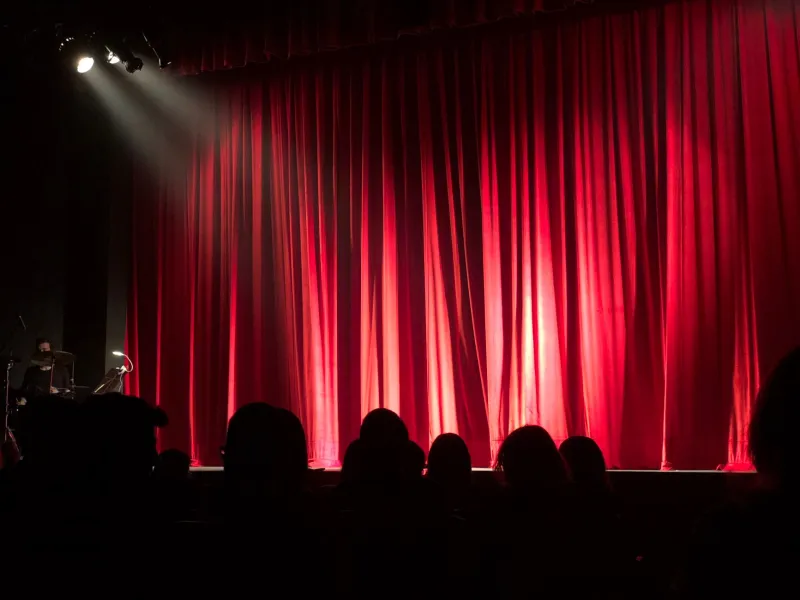
In theater: Directors know the first ninety seconds of a show tell the audience the rules of the world. A performer who enters with total command of the space — even before speaking — has already told you who's in charge. The blocking is the biography.
The through-line? Nobody great opens with an apology. Nobody great opens with throat-clearing. And nobody great opens with their second-best material hoping to build to the good stuff. The room might not stay for the good stuff.
The 3-Part Framework for Your Opening Sixty
You don't need to reinvent your whole show. You need to engineer sixty deliberate seconds. Here's the framework:
1. The Disruption (0–15 seconds): Break a pattern the audience didn't know they had. Walk out to silence. Start mid-story. Drop the beat where they expected one. The goal is a tiny jolt of wait, what? — because a brain asking a question is a brain paying attention.
2. The Stakes (15–40 seconds): Give them a reason to care about what comes next. In music, that might be a melodic hook that promises more. In spoken word, a line that raises a question you haven't answered. In theater, an objective the audience wants to see won or lost. You're not explaining — you're owing them something, on purpose.
3. The Signature (40–60 seconds): Here's where your brand lives. The thing only you do — a vocal run, a physical quirk, a phrase, a look. This is the moment people describe to their friends tomorrow. If your opening could belong to any performer in your genre, it isn't an opening. It's a placeholder.
Run your current opener against this. Most performers discover they have a solid minute of material that does none of these three things. That's fixable. That's exciting, actually.
Rehearse the First Minute Like It's the Last
Here's the discipline gap: performers rehearse their show top to bottom, giving every minute equal weight. Flip it. Rehearse the first sixty seconds ten times more than anything else — entrances, first words, first transitions, lighting cues if you have them, the walk from the wings.
Why? Because nerves hit hardest at the top, and muscle memory is the only thing that survives adrenaline. When your opening lives in your body rather than your head, you're free to be present in the room instead of surviving your own set. And presence — not perfection — is what audiences read as star power.
Film your opening on your phone at the next gig. Watch it with the sound off. Then with your eyes closed. You'll learn more about your first sixty seconds in ten minutes of review than in a year of hoping the room "gets it."
Your Opening Is Your Brand, Compressed
Think of your opening as your entire artistic identity in miniature. If your brand is bold and intimate, the opening should feel bold and intimate. If you're the storyteller, start with a story. If you're the showstopper, stop the show in second one.
The performers we call unmistakable aren't the ones with the best closing number. They're the ones who made the room decide — early, fast, and in their favor — that looking away wasn't an option. Sixty seconds. That's the whole audition. Make it count.