Stop Renting Your Talent: Building Income That Travels With You Between Gigs
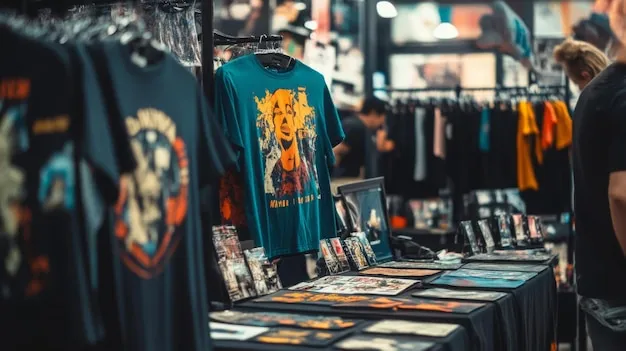
Photo: performer selling merchandise at table after live show, via img.freepik.com
Let's be honest about the math for a second. You book the gig, you haul your gear, you perform for three hours, you get paid once. Then you go home and wait for the next one. That's not a business — that's a hustle with a ceiling.
The performers who last in this industry figured out something the rest of us learn the hard way: the show is the product, but it can't be the only product. Your talent creates value that people will pay for in a dozen different ways. The trick is setting up the systems to catch it.
The Gig Is the Ad, Not the Income
Start reframing what a live performance actually is. Yes, you get paid for it. But it's also the most powerful marketing event you'll ever run — a room full of people who just watched you do the thing you do at your best. Every gig is an audience of potential subscribers, students, and superfans, and most performers walk away without capturing a single one.
The fix isn't complicated. You need somewhere for that energy to go. A QR code on the merch table. A link in your post-show email. A simple line from the stage: "If you enjoyed tonight, I go live every Tuesday. Come hang."
Livestreams: Your Second Stage
You don't need a production crew to start earning from livestreams. You need consistency and a phone. Platforms like TikTok Live, YouTube, and Twitch all have tipping and gifting features that turn a casual Tuesday-night performance into real money — some full-time performers in the US are making more from a single weekly stream than from a weekend of bar gigs.
The key is treating it like a show, not a rehearsal. Announce it. Give it a name. Show up at the same time every week so people build it into their routine. Your livestream audience becomes your warmest booking audience, too — they're the ones who show up in person and drag their friends along.
Patreon Tiers That Actually Convert
Patreon gets dismissed as something for podcasters and illustrators, but performers are quietly building serious monthly income on it. The mistake most people make is offering nothing but "early access" and wondering why nobody signs up.
Think in terms of access and intimacy instead:
- $5 tier: Behind-the-scenes content — the warm-up routine, the song that didn't make the set, the road-trip footage.
- $15 tier: A monthly livestream just for members, plus the ability to request songs.
- $50 tier: A personal video message, a shoutout in your show, or a first-listen of new material.
You don't need hundreds of patrons at fifty bucks. Fifty people at ten dollars a month is six hundred dollars that shows up whether or not you booked a single gig that month. That's rent money. That's new strings. That's leverage.
Teach What You Already Know
Here's the part most performers overlook: you have skills people are actively searching for. Vocal technique, stage presence, songwriting, how to work a crowd — these are teachable, and people pay for teaching.
You don't have to become a full-time educator. Start small. A 45-minute Zoom coaching session at $60. A downloadable PDF breaking down how you structure a set. A workshop at a local community center or music store. Voice lessons for the neighborhood kid whose parents saw you at the farmers market.
Teaching also feeds your performing career in a sneaky way. Students become fans. Parents become bookers. That kid's school needs an assembly performer? Guess who's at the top of the list.
Digital Products: Work Once, Sell Forever
A recorded live performance, a mini-course, a sample pack, a chord chart bundle, a guided warm-up audio file — digital products are the closest thing this industry has to passive income. They take real work upfront, but once they exist, they sell while you sleep, tour, or do nothing at all.
Start with one. The easiest first product is usually a recording of your best live set, professionally mixed and sold as a digital album or video. You already made it. Package it and put a price on it.
Make the Systems Boring and Automatic
None of this works if it lives in your head as a someday project. Set up the infrastructure now, while things are calm:
- One link-in-bio page that houses everything — Patreon, merch, booking, streams.
- An email list, even if it's just twenty people. Email is the only audience you truly own.
- A simple weekly rhythm: one stream, one piece of content, one promotion.
The goal isn't to become an influencer. The goal is to stop renting out your talent one gig at a time and start building something that compounds. Because the performer with three income streams walks into every booking conversation differently — calmer, choosier, unmistakably in demand.
And that confidence? Fans and bookers can smell it from the back row.