The Sound Tech Knows If You're Getting Rebooked — Before You Sing a Note
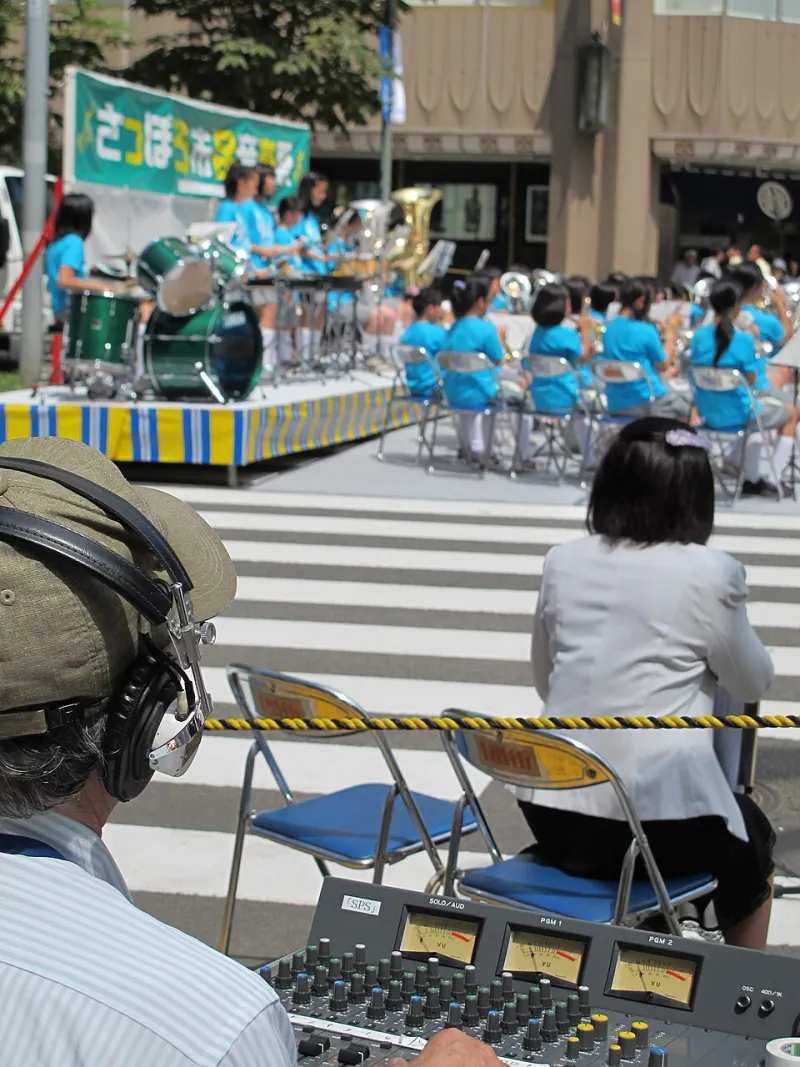
Photo: Sgroey, CC BY-SA 4.0, via Wikimedia Commons
Every performer has a public reputation. The one built on stage presence, vocal chops, whatever it is you do under the lights.
But there's a second reputation running in the background — one you never see, made of whispers between sound techs, venue managers, and bookers across town. And here's the uncomfortable truth: that backstage reputation is often the one deciding whether your phone rings again.
The Invisible Review System
Venues talk. Not in some dramatic, gossip-column way — just in the ordinary course of doing business. A booker in Nashville mentions your name to a booker in Atlanta, and the first question out of their mouth isn't "Were they good?"
It's "Were they easy to work with?"
That single question contains your entire backstage report card. Did you show up on time? Did your rider read like a hostage negotiation? Did you treat the person running your sound check like a collaborator or a servant?
The stage is the audition. The backstage is the interview.
Your Rider Is a Cover Letter
Think of your tech rider as a document that gets read by someone deciding whether to hire you — because that's exactly what it is. Most performers write theirs like a wish list. The pros write theirs like a cover letter.
A bloated rider tells a venue: I don't know how this business works, or I don't care. A clean, realistic one tells them: I've done this before, I respect your operation, and I'll make your night easier.
Same goes for arrival time. Showing up forty-five minutes before doors with a full band and a complicated stage plot isn't confidence — it's a red flag wearing sunglasses. The performers who get rebooked are the ones who roll in early, walk the room, and introduce themselves to the staff before they need anything.
The Sound Tech Is the Most Important Person in the Building
Here's a secret every veteran performer learns eventually: the sound tech has more influence over your set than your manager does.
They control your monitor mix. They control how you're heard in the room. They control the mood of your entire sound check. A great tech can rescue a rough night. An alienated tech doesn't sabotage you — they just stop going the extra mile, and suddenly your set sounds thin and you don't know why.
Learn their name before you hand them your input list. Ask what works best for their system instead of demanding what worked at the last venue. Say thank you from the stage — genuinely, by name, not as a throwaway line. It costs you nothing and buys you a room full of goodwill.
Word travels. A tech who had a great night with you will mention it to the next venue on your route. A tech who got eye-rolled at will mention that too.
The Professional Rider Checklist
Run your own operation against this list. Every unchecked box is a silent ding on your industry reputation.
Before the gig:
- Send your stage plot and input list at least two weeks out — updated, accurate, and matched to who's actually showing up
- Confirm your arrival time in writing and then actually hit it
- Keep the rider requests realistic: water, a power strip, and a little quiet space beat champagne demands every time
On arrival:
- Introduce yourself to the venue staff, the sound tech, and the other acts on the bill
- Load in efficiently — don't block the alley, don't treat the hallway as a dressing room
- Be loaded and ready before your sound check slot, not wandering in during it
During sound check:
- Play only what's asked for, at the volume asked for
- Speak to the tech like a partner: "What do you need from me?" goes further than any demand
- Keep the whole band quiet and focused — one sloppy bandmate makes the whole act look amateur
After the set:
- Load out fast and clean. Nothing sours a venue faster than a band socializing while the night crew waits on their gear
- Thank the staff on the way out — by name, again
- Send a follow-up email within 48 hours thanking the booker and including one or two fan-captured clips. Make rebooking effortless
None of these items require talent. All of them require professionalism. That's exactly why they matter — talent is common at every level above open mic night, but reliability is scarce.
Rebooked Without a Word About Talent
Ask around any booking office in America and you'll hear versions of the same story: the act that gets the callback isn't always the best performer in the lineup. It's the one the venue didn't have to babysit.
That's the quiet math of this business. A venue books you once for your music. They book you again for how the whole night felt to run. Were you on time? Did the room run smooth? Did the staff complain afterward?
Your rider, your punctuality, your treatment of the crew — none of it shows up in a clip anyone can post. But it all shows up in the decision.
Build the backstage reputation as deliberately as you build the setlist. Because somewhere right now, a sound tech is being asked about you — and you want their answer to be easy.