The Hour Nobody Claps For: What You Do After the Show Decides Who Bookers Call Next
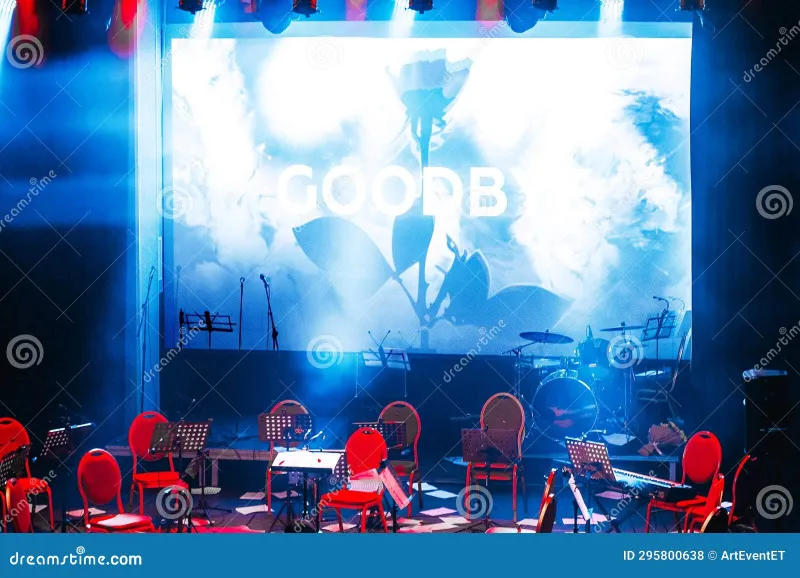
Photo: musician packing up gear on empty stage after concert, dim venue lights, via thumbs.dreamstime.com
There's a moment every performer knows. The last chord rings out, the crowd claps, you say goodnight — and then the evening splits into two completely different careers.
One version of you grabs your gear, scrolls the drive home, and tells yourself you'll follow up "sometime this week." The other version runs a quiet, unglamorous routine that no audience ever sees. Guess which one gets the callback in March.
The Encore Is Not a Song
We tend to think of the encore as the bonus track — the thing you hold back and deliver if the crowd demands it. But ask anyone who runs a venue, a festival stage, or a private-event circuit, and they'll tell you the truth: the encore is everything that happens after the performance ends.
The lobby conversation. The thank-you to the sound tech. The receipt you kept, the contact you logged, the email you sent before your head hit the pillow. None of it gets applause. All of it gets remembered.
Bookers talk to each other. A bar owner in Asheville mentions you to a promoter in Nashville. What they pass along usually isn't your vocal range — it's whether you were easy to work with, whether you stuck around, whether you treated a Tuesday night like it mattered.
Why the Drive Home Is Where Careers Stall
The post-show hour is dangerous because your adrenaline is gone and your judgment is low. You just gave everything you had. The couch is calling. So the follow-up becomes tomorrow's problem, and tomorrow becomes next month, and by then the venue has already filled its spring calendar.
Hobbyists perform. Career artists close. Closing means the gig isn't over until the relationship is locked in — and that takes maybe forty-five minutes of deliberate work.
A Post-Show Ritual Bookers Notice (Even If They Never Say So)
Here's a framework you can run the same night, every night. Call it the 30-15-10.
30 Minutes: Stay Present
Don't vanish the second your set ends. Walk the room. Thank people by name. Learn who booked you and shake their hand — in person, not over email the next day. Introduce yourself to the sound engineer and the bartender. These people see dozens of acts a month; the ones who acknowledge them are rare enough to stand out immediately.
If fans want photos or a quick conversation, give it. That lobby hang is marketing you cannot buy.
15 Minutes: Capture Everything
Back at the merch table or green room, take notes while it's fresh:
- Attendance estimate and crowd energy
- Which songs landed, which didn't
- The booker's correct name, email, and phone number
- What the venue paid, when, and how
- Any leads — "my cousin runs a listening room in Richmond"
Fifteen minutes of notes tonight saves you a week of fuzzy memory later. This becomes the raw data for your follow-up and your setlist decisions.
10 Minutes: The Same-Night Email
Yes, the same night. It takes ten minutes and almost nobody does it, which is exactly why it works.
Keep it short: thank them, name one specific thing you appreciated about the night, attach two or three decent photos if you have them, and ask one clear question — "Would you like me to hold a date for the fall?" That's it. No PDF press kit. No novel. Just proof that you're professional, prompt, and already thinking about the next one.
The Reputation You're Actually Building
Here's the part that takes years to fully appreciate: your post-show habits compound. The artist who always sends the thank-you email, always logs the contact, always closes the loop — that artist becomes the safe bet in a booker's mind.
And safe bets get the phone call when a headline slot opens up, when a festival needs a last-minute fill, when a corporate client asks for a recommendation. Talent gets you considered. Reliability gets you rebooked.
Start Tonight
You don't need a new strategy, a course, or a manager. You need a rule: the show isn't over until the 30-15-10 is done.
The applause lasts thirty seconds. The reputation you build in the hour after it fades lasts five years. Spend it like it matters — because it does.