Empty Dates Aren't Wasted Dates: Designing Your Year Like a Setlist

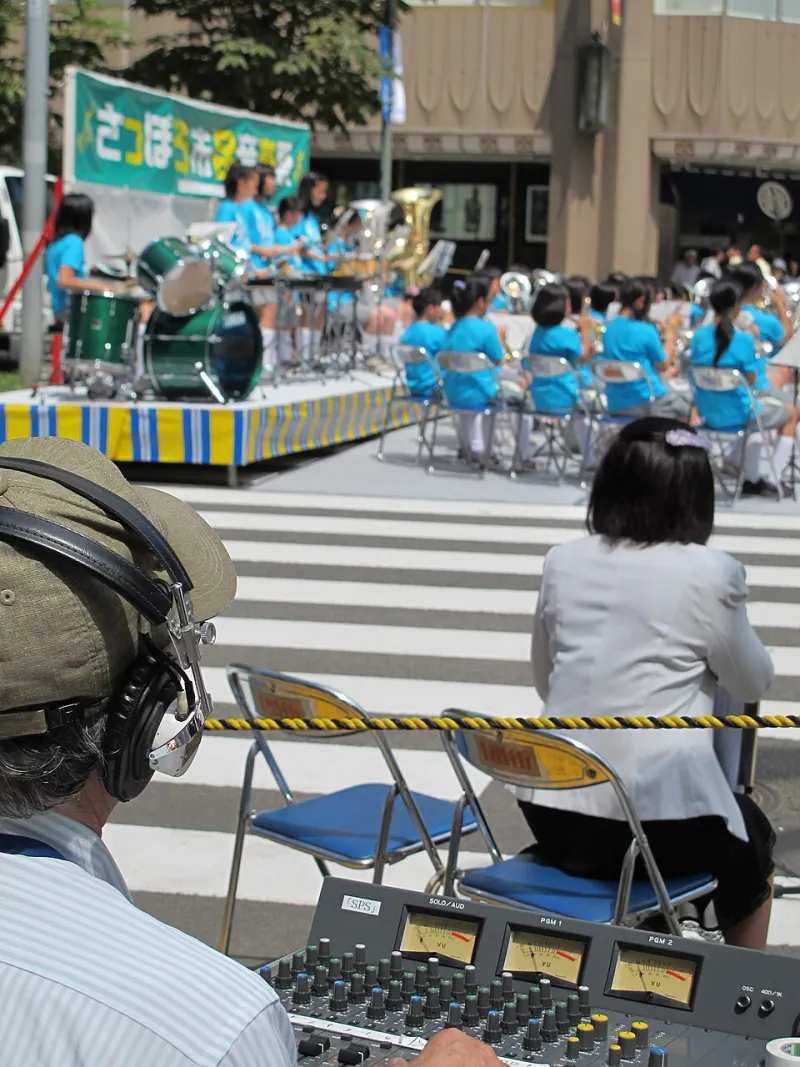
Photo: Anthony Sertel Dean, CC BY-SA 4.0, via Wikimedia Commons
Every performer knows the feeling of a packed calendar. Booked every weekend, playing the same three rooms, saying yes to whatever comes in because an empty Saturday feels like failure. But here's the thing nobody tells you: a show with no pauses isn't a show. It's a playlist on shuffle.
The best sets breathe. They build. They leave space so the big moments actually land. Your career should work the same way — and that means learning to schedule your off time as deliberately as your on time.
The Problem With a Full Calendar
When every gap gets filled with a low-paying bar gig two hours from home, you're not building momentum. You're spinning wheels. There's no room to write, no room to rehearse anything new, no room to get better at the business side. You come home exhausted, learn nothing, and do it again next weekend.
Worse, bookers start seeing you as the act who's always available. And in this business, "always available" quietly translates to "always cheap."
Think in Acts, Not Weekends
Try mapping your year like a show with three or four acts:
Act One — The Build. A season focused on preparation. New material, new photos, a tightened bio, outreach to the venues you actually want. You're not invisible during this stretch; you're just selective. Maybe one or two anchor gigs that pay well and keep your chops sharp.
Act Two — The Peak. This is your headline season. The festival slot, the theater show, the run you've been building toward. Everything points here. This is when you push hard, promote hard, and give people something to talk about.
The Intermission. After the peak, rest. Genuinely rest. Two to four weeks with no performances. Sleep. See other people's shows. Let your brain file away what just happened. This isn't laziness — it's where the next chapter gets written.
Act Three — The Reinvention. Come back with something. A new sound, a new angle, a fresh story to tell. This is what makes your next booking conversation interesting instead of repetitive.
Intermissions Are a Sales Tool, Not a Retreat
Here's the counterintuitive part: scheduled downtime makes you more bookable, not less. When a venue asks what you've been up to and the answer is "just finished a sold-out run, took a month to record new material," you sound like an artist with a trajectory. That's a booking.
Compare that to "I play wherever, whenever, whatever you've got." Same person, same talent — completely different impression.
Scarcity, even strategic scarcity, creates demand. Performers who are always on call get treated like on-call labor. Performers with seasons get treated like events.
How to Actually Do This
- Block your peak first. Pick the one season or flagship show your year revolves around. Everything else supports it.
- Protect the intermission on the calendar like a gig you're being paid for. If a great offer lands during your rest window, you can bend — but it should cost something. Reschedule the intermission, don't delete it.
- Give the quiet season a deliverable. Rest is part of it, but tie the pause to an output: an EP, a refined set, a new press kit. A break with a deadline keeps it from becoming a drift.
- Tell people your seasons. "I'm booking for fall" sounds professional. "I can do anything, anytime" sounds desperate. Same availability, different framing.
The Long Game
Nobody remembers the artist who played every dive in a fifty-mile radius every weekend. They remember the one who disappeared for a while and came back with something that knocked the room sideways.
Your career is a performance whether you plan it or not. The only question is whether it's a set with intention behind it — or just noise between silences. Schedule the silence. It's what makes the noise worth hearing.