Before the Spotlight: The Quiet Audition Happening Backstage
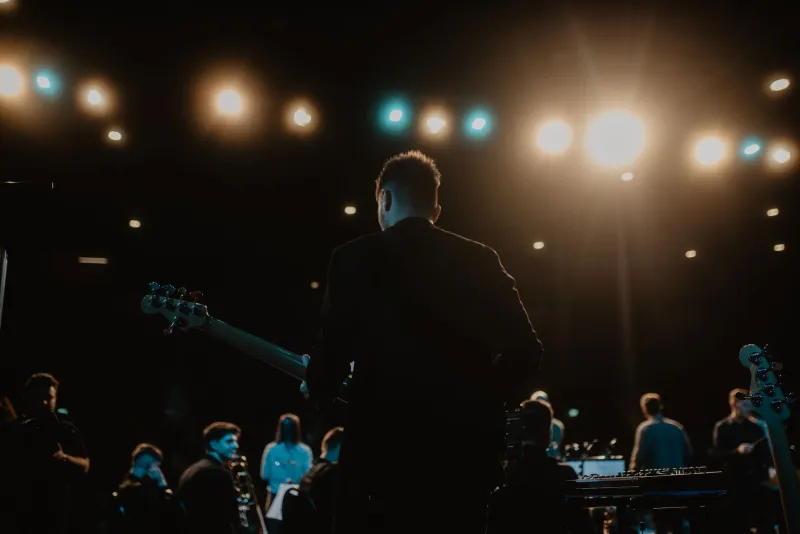
Here's a truth nobody puts in the rider: the show starts long before the show starts. By the time you step into the spotlight, the people who decide whether you'll ever be invited back have already made up a large chunk of their minds. Not on your talent — on your conduct. The backstage window is a live audition, and most performers don't even know they're in it.
I talked with venue bookers and stage managers across a handful of mid-sized American markets — think club rooms in Nashville, listening rooms in Portland, theater-style spaces in the Carolinas — and the same patterns kept surfacing. None of it is written down anywhere. All of it gets remembered.
The 30-Minute Audit Nobody Mentions
A stage manager at a 400-cap room put it to me plainly: "I can tell in ten minutes whether an artist is going to be a problem." Not a bad performer. A problem. Those are two very different assessments, and only one of them affects your next booking.
What's being logged in that pre-show window is deceptively small. Did you show up at the load-in time you agreed to, or did you wander in twenty minutes before doors because "traffic"? Did you walk in with a setlist already printed, or did you spend soundcheck figuring out what you're playing? Did you learn the house engineer's name, or did you yell "more me in the monitors" from across the room like they're a vending machine?
One booker keeps a private note on every act: early / on time / late, plus one line about how they treated the crew. That note gets pulled every time the act's name comes up. "A great set with a bad attitude is a maybe," she told me. "A good set with a great attitude is a yes."
The Sound Tech Is the Most Important Person in the Room
If there's one relationship that quietly runs your career at the local level, it's the one with the person behind the board. House engineers see everyone. They hear everything. And when a booker texts a colleague asking "hey, have you had so-and-so through? How were they?" — the engineer's answer carries more weight than any press kit.
The performers who get rebooked do simple things: they show up to soundcheck with their gear working, they communicate in plain language ("could I get a touch more vocal in the wedge?"), and they say thank you at the end of the night. That's it. That's the whole secret.
And the flip side is brutal. The engineer who had to babysit a diva will remember for years. Venues talk to each other — especially within the same city, where the same crew often rotates between three or four rooms. Your reputation travels faster than your music does.
Broken Mic, Real Character
Every live show has a malfunction. A cable dies. A monitor cuts out. A string breaks mid-song. What bookers are watching isn't whether things go wrong — they know they will. They're watching what you do next.
The performers who get remembered fondly are the ones who roll with it. Keep playing. Make a joke, work the crowd, signal the engineer calmly instead of glaring. One stage manager told me about a singer whose mic cut out during her biggest song — she stepped to the front of the stage, went fully acoustic, and had the room singing the chorus back at her inside of eight seconds. "I booked her three more times that year," he said. "The mic thing sold me more than the set did."
Contrast that with the act that stops the show to berate the sound tech over a feedback loop. You might win that moment. You lose the next twelve months.
What Gets Logged, What Gets Passed Around
It's worth being honest about how informal this all is. There's no spreadsheet. There's a network of people who all want the same thing — smooth nights, happy crowds, acts that make the venue look good — and who share information the way anyone does: texts, group chats, quick calls.
The behaviors that end up in those conversations, for better or worse:
- Punctuality at load-in. It signals respect for everyone else's night.
- How you treat the door staff and bartenders. Yes, they're asked.
- Whether you stick around. Headliners who vanish after their set leave a bad taste; bookers notice who supports the rest of the bill.
- How you handle a crowd that isn't your crowd. Playing to twelve people like it's a sold-out arena earns more respect than sulking through it.
- The thank-you text. Small, rare, and disproportionately powerful.
Turn the Audit Into an Advantage
None of this is about performing a fake personality. It's about recognizing that professionalism is part of the product you're selling. The artists who understand this — who are easy to work with, early, kind to crews, and unshakeable when tech fails — get a compounding edge that no amount of practice room hours can buy.
The stage is the audition you prepared for. The dressing room is the one you didn't. Bookers know the difference. Now you do too.